
LAPLAND TRAVEL GUIDE
What to Wear in Finnish Lapland: Winter Clothing Guide
- 5 min read
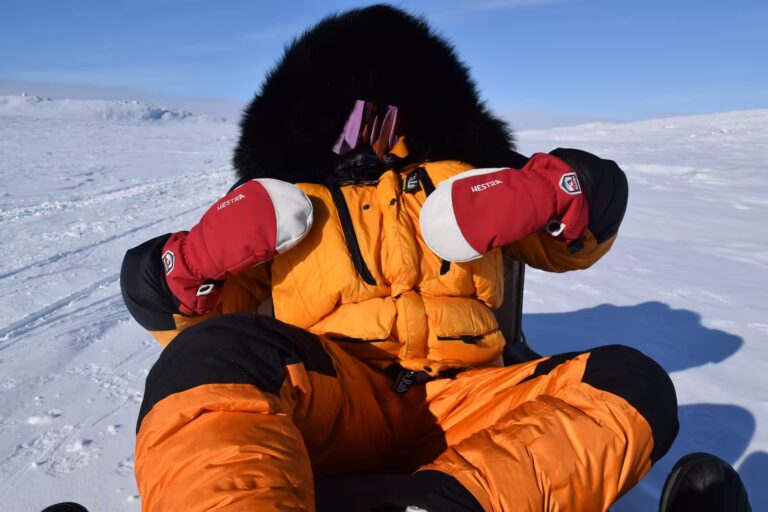
Lapland winters can be very cold, with temperatures ranging from around -5°C to as low as -30°C. The best way to dress for winter conditions in Lapland is to use warm, breathable layers: a proper base layer, insulating mid-layers, wind- and waterproof outerwear, warm socks, winter footwear, mittens, and good head and face protection.
It is better to dress in layers than to rely on one heavy item. Layers are easier to adjust during the day, especially when moving between warm indoor spaces, transfers, restaurants, and outdoor activities.
QUICK ANSWER
Dress in warm, loose layers
-
Very cold winters
Lapland winters can range from around -5°C to as low as -30°C.
-
Warm layers
Choose breathable base layers, insulating mid-layers, and windproof outerwear.
-
Hands and feet
Use warm socks, proper winter boots, and mittens instead of thin gloves.
-
Easy adjustments
Layering helps you stay comfortable between cold outdoor moments and warm indoor spaces.
QUICK ANSWER
Dress in warm, loose layers
-
Very cold winters
Temperatures can range from around -5°C to as low as -30°C.
-
Warm layers
Choose breathable base layers, insulating mid-layers, and windproof outerwear.
-
Hands and feet
Wear warm socks, proper winter boots, and mittens instead of thin gloves.
-
Easy adjustments
Layering helps you stay comfortable between cold outdoor moments and warm indoor spaces.
Related Lapland Guides



Popular Activities

Start with a good base layer
Dressing warmly starts with a good base layer. Merino wool or wool-blend materials are recommended because they help keep you dry and insulated. They are breathable, regulate body temperature, and work well for both active excursions and moments when you are standing still in cold conditions.
Avoid tight cotton or basic sports layers as your main winter base layer. Cotton can hold moisture and may make you feel colder once you stop moving.

Add warm mid-layers
On top of the base layer, add mid-layers such as fleece, wool sweaters, or insulated jackets. These layers build extra warmth between your body and the outer shell.
The layers should not be too tight. Air between layers helps keep you warm, while clothing that is too tight can reduce insulation and restrict movement. It is usually better to bring slightly more clothing than too little, because you can remove layers if you get too warm and add them again if you start to feel cold.
Choose wind- and waterproof outerwear
Outerwear should be both wind- and waterproof while still providing good insulation against the cold. A high-quality winter jacket and winter trousers protect you from Arctic wind, snowfall, and long periods outdoors.
For activities such as husky safaris, snowmobiling, reindeer farm visits, and Northern Lights excursions, good outerwear can make a major difference. Staying dry is just as important as staying warm.
Protect your head and face
It is important to protect your head and face with suitable hats, neck warmers, or balaclavas. Exposed areas lose heat quickly, and the face is especially vulnerable in very cold weather.
Face protection becomes particularly important below -20°C, especially when cold wind is involved. Activities such as snowmobiling or husky safaris can feel much colder because of wind exposure, even when the forecast temperature does not look extreme.
Keep your hands warm
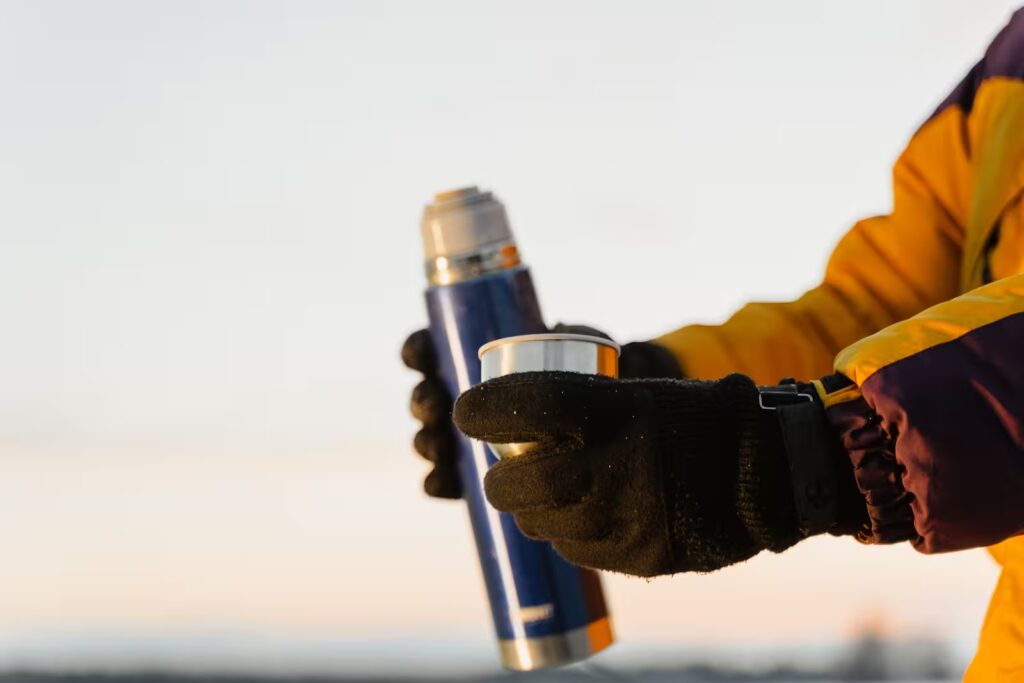
Good wind- and waterproof gloves help protect your hands, but mittens are often warmer than gloves because your fingers stay together and share heat.
For extra warmth, you can layer wool-blend gloves underneath and wear mittens on top. This is useful for very cold days or activities where you may be outside for a longer time.
Wear warm socks and proper winter footwear
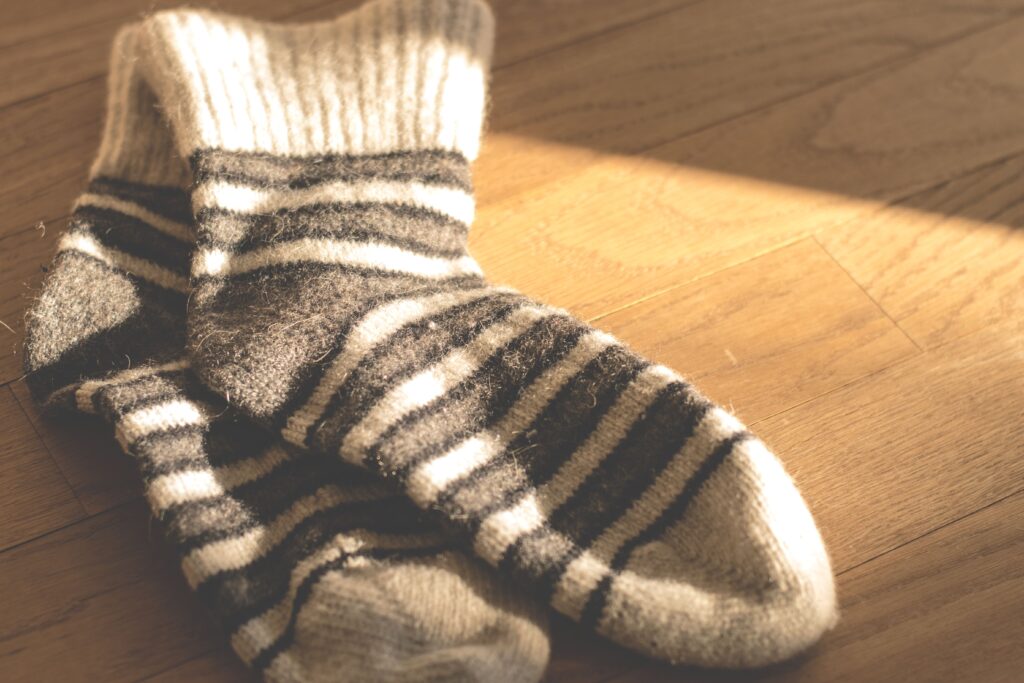
To keep your feet warm, wear warm wool-blend or merino wool socks directly against the skin. Tight cotton or sports socks can restrict circulation, which may make your feet feel cold even if you wear wool socks on top.
You can wear two pairs of socks, but they must not be too tight. Your socks should fit comfortably inside your shoes with enough room for air. Footwear should be waterproof and preferably high-cut for better protection in snow.
Maintaining blood circulation helps with staying warm
Staying warm is not only about clothing. Good circulation helps your body maintain heat, so gentle movement is important when you are outside in cold conditions.
If you are standing still for a long time, for example during a Northern Lights evening, move your toes and fingers regularly, walk a little when possible, and use warm breaks when available.
Use additional hand and foot warmers when needed
Hand and foot warmers can be useful in very cold conditions. Most usual type of warmers activate when opened from the package and can provide warmth for several hours.
They are especially helpful for people who get cold easily, children, photographers waiting outside, and anyone joining evening or low-movement activities.
Warmers can be bought from almost all convenience stores across Lapland.
Do you need to buy winter outerwear for Lapland
There is usually no need to purchase winter outerwear just for your trip. High-quality outerwear and footwear can be conveniently rented in all Lapland destinations, which makes travel easier and more practical, especially if you are not used to extreme winter conditions.
For hygiene and comfort reasons, we recommend bringing your own base layers, mittens, hats, socks, and other personal winter accessories.
Simple Lapland winter clothing checklist
- Merino wool or wool-blend base layer
- Fleece, wool sweater, or insulated mid-layer
- Wind- and waterproof winter jacket
- Wind- and waterproof winter trousers
- Wool-blend or merino wool socks
- Waterproof, warm, preferably high-cut winter footwear
- Warm mittens or layered gloves and mittens
- Hat that covers the ears
- Neck warmer or balaclava
- Optional hand and foot warmers
QUESTIONS
Frequently Asked Questions
How cold does Lapland get in winter?
Winter temperatures in Lapland can range from around -5°C to as low as -30°C. Wind, activity type, and time spent outdoors can make conditions feel colder.
What is the best base layer for Lapland winter?
Merino wool or wool-blend base layers are recommended because they help keep you dry, warm, and comfortable in changing activity levels.
Which parts of the body get cold fastest?
Hands, feet, ears, nose, cheeks, and the head/face usually get cold fastest. Protect them with mittens, warm socks, winter boots, a hat, neck warmer, and face protection.
Do I need to buy winter outerwear before visiting Lapland?
Not necessarily. Winter outerwear and footwear can be rented, but you should bring your own base layers, socks, gloves, hats, and personal accessories for comfort and hygiene.
QUESTIONS
Frequently Asked Questions
How cold does Lapland get in winter?
Winter temperatures in Lapland can range from around -5°C to as low as -30°C. Wind, activity type, and time spent outdoors can make conditions feel colder.
What is the best base layer for Lapland winter?
Merino wool or wool-blend base layers are recommended because they help keep you dry, warm, and comfortable in changing activity levels.
Which parts of the body get cold fastest?
Hands, feet, ears, nose, cheeks, and the head/face usually get cold fastest. Protect them with mittens, warm socks, winter boots, a hat, neck warmer, and face protection.
Do I need to buy winter outerwear before visiting Lapland?
Not necessarily. Winter outerwear and footwear can be rented, but you should bring your own base layers, socks, gloves, hats, and personal accessories for comfort and hygiene.
Need Help Planning Lapland Without Wasting Money?
Lapland can get expensive quickly if the trip is built in the wrong order. Arctelie helps you choose the right base, activities, transfers, and pace so your budget goes toward the experiences that matter.